Condition monitoring
Reading machinery condition signals before failure
INNOV8 Holding (Pty) Ltd · 26 August 2026 · 5 min read

Illustrative image.
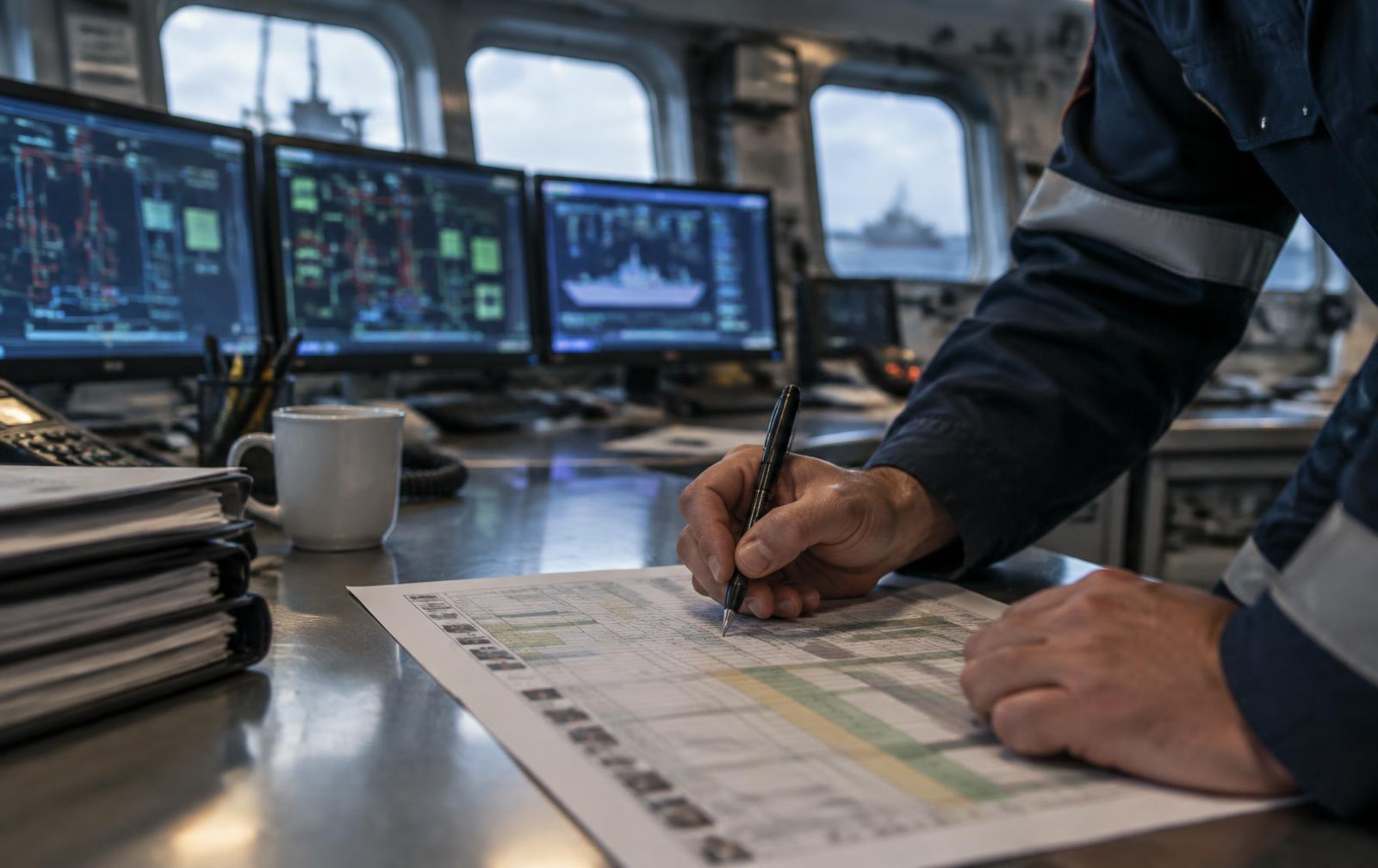
Temperature, vibration and operating trends become useful only when they are measured consistently and connected to maintenance decisions.
A single reading needs context
A temperature or vibration value says very little on its own. Its value comes from comparison: against the equipment's normal operating range, against previous readings and against similar machinery working under comparable load.
Consistent measurement points, operating conditions and units make the trend trustworthy. Without that discipline, apparent changes may be caused by the way the reading was taken rather than by the machine.
Connect observations to the maintenance record
Condition data should be read alongside recent repairs, lubrication changes, filter replacements and operating events. A rising temperature after a maintenance intervention may point to installation or adjustment issues that a trend line alone cannot explain.
The combined record helps technical teams distinguish a developing fault from a temporary operating condition.
Turn the signal into a controlled action
Not every change requires an immediate shutdown. A defined response may be to repeat the measurement, shorten the inspection interval, prepare a spare or plan an intervention at the next safe opportunity.
The aim is not to collect more data. It is to create enough warning to make a safe, informed maintenance decision.
Written by INNOV8 Holding (Pty) Ltd, a marine engineering solutions company based in Durban, KwaZulu-Natal. This article is general technical commentary and is not vessel-specific engineering advice.
Discuss your engineering requirements