Asset management
Reliability-centred maintenance, without the jargon
INNOV8 Holding (Pty) Ltd · 27 January 2026 · 5 min read

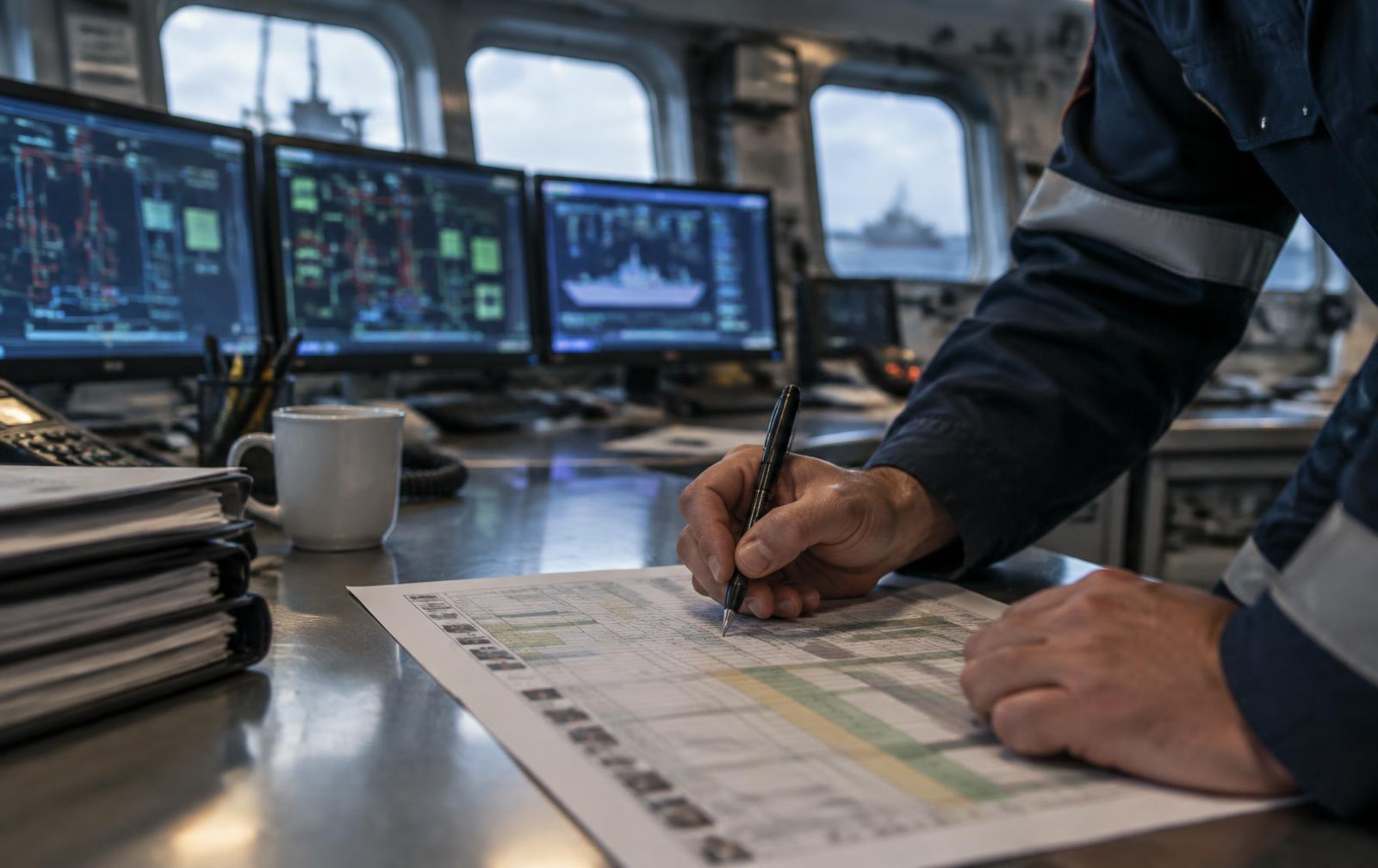
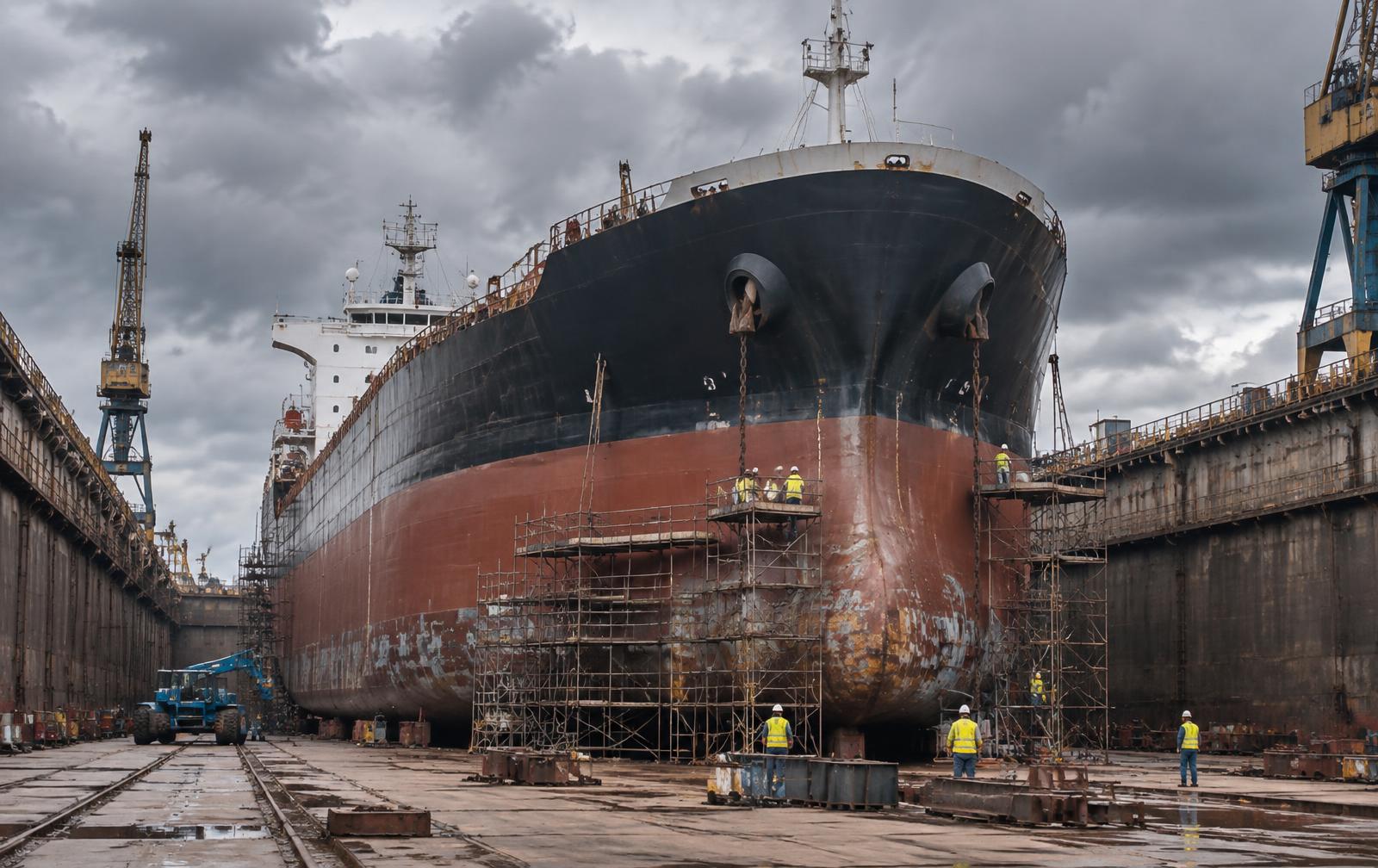
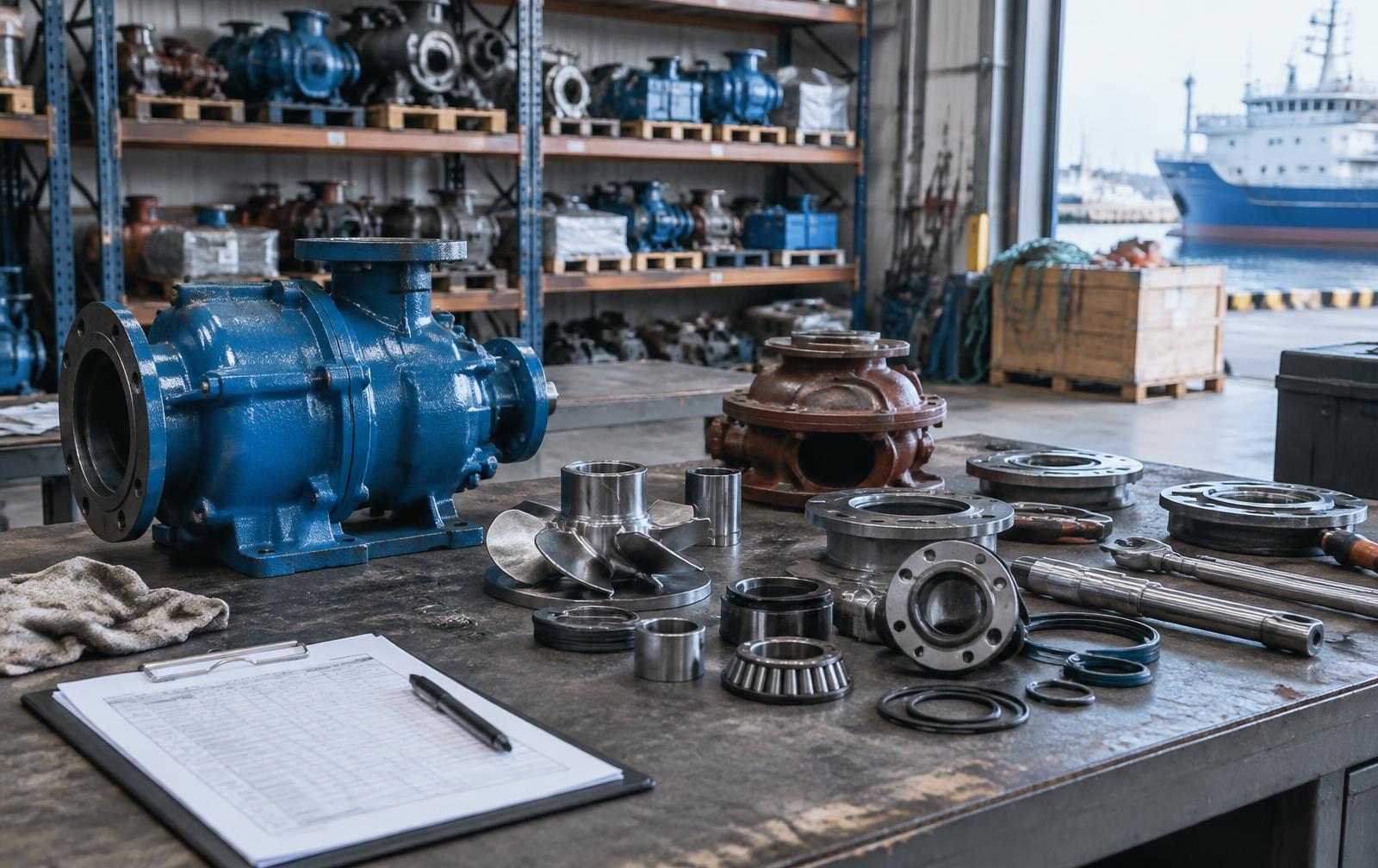
Illustrative image.
RCM asks a simple question of every asset: what happens if this fails, and what is worth doing about it? A practical view of applying it to marine and industrial plant.
Start from consequence, not from equipment
Reliability-centred maintenance reverses the usual order of thinking. Instead of asking how each machine should be maintained, it asks what function the machine serves, how it can fail to deliver that function, and what the consequence of that failure would be for safety, operations, cost or compliance.
Only then does it ask which maintenance task — if any — is worth performing. Some failures are best managed by monitoring; some by scheduled replacement; some, honestly, by running to failure and holding a spare.
Not every asset deserves the same attention
A propulsion system and a galley extractor fan cannot reasonably share a maintenance philosophy. Sorting assets by criticality concentrates effort, spares and inspection time where a failure would actually stop the operation.
This is also how maintenance budgets become defensible: each task can be traced back to a consequence it is preventing.
Implement it in stages
A full analysis across an entire vessel or plant is rarely the right first step. Begin with the ten to twenty assets whose failure would be most disruptive, define their tasks and intervals, load them into the maintenance system, and review after a full cycle.
Practical, partial implementation that is actually followed outperforms a complete study that stays in a folder.
Written by INNOV8 Holding (Pty) Ltd, a marine engineering solutions company based in Durban, KwaZulu-Natal. This article is general technical commentary and is not vessel-specific engineering advice.
Discuss your engineering requirements