Marine machinery
Practical priorities for diesel generator maintenance
INNOV8 Holding (Pty) Ltd · 22 July 2026 · 6 min read

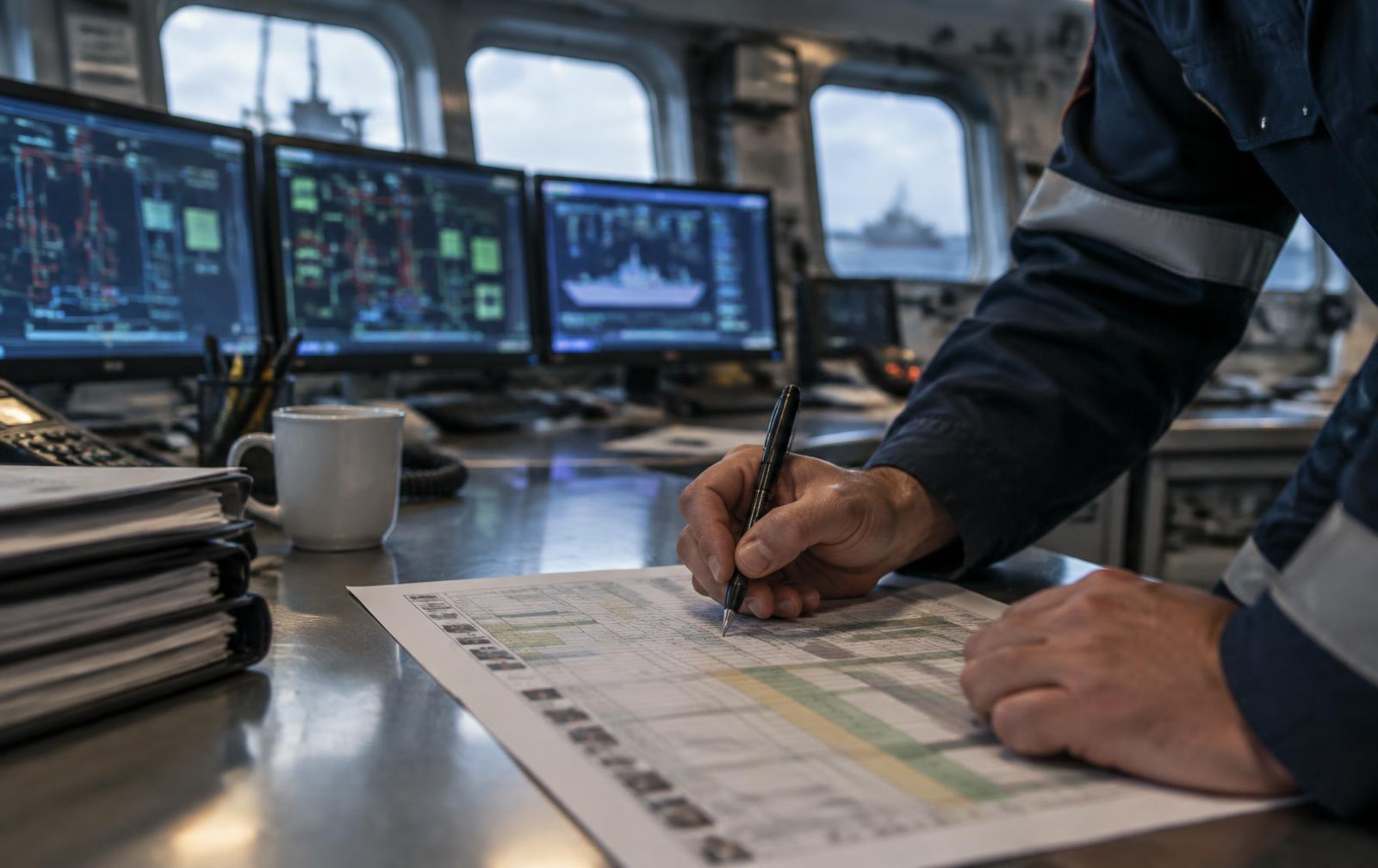
Illustrative image.
Reliable standby and auxiliary power depends on routine checks, load awareness and maintenance records that reveal small changes early.
Start with the operating duty
A generator used continuously has different risks from a standby unit that runs only during tests. Maintenance intervals must reflect running hours, load profile, starts and stops, ambient conditions and the consequence of unavailable power.
Standby equipment can appear healthy while idle, yet reveal battery, fuel or cooling problems only when asked to carry load.
Protect the supporting systems
Fuel cleanliness, cooling performance, lubrication condition, starting systems and ventilation all influence generator reliability. Routine inspections should look beyond the engine itself and record leaks, unusual noise, exhaust changes and unstable readings.
Electrical connections and protection devices also need planned inspection by appropriately qualified personnel.
Use tests to improve the plan
A controlled load test confirms more than the ability to start. It shows whether the generator can accept and sustain the required load while temperatures, pressures and electrical output remain stable.
Recording each test creates a useful history for adjusting intervals, planning parts and identifying gradual deterioration.
Written by INNOV8 Holding (Pty) Ltd, a marine engineering solutions company based in Durban, KwaZulu-Natal. This article is general technical commentary and is not vessel-specific engineering advice.
Discuss your engineering requirements